

Local SEO for Small Businesses: A Step-by-Step Guide
For most small businesses, the next customer is just a quick search away. When someone nearby types “coffee shop near me” or “plumber in my area,” Google decides which handful of businesses to show first. Local SEO is how you make sure yours is one of them. The good news is that you do not need a big budget to compete locally. You just need to get the fundamentals right and stay consistent. This step-by-step guide walks you through exactly how to improve your local search visibility and turn nearby searchers into paying customers.
What Is Local SEO?
Local SEO is the process of optimizing your online presence so your business appears in local search results and on Google Maps. It focuses on location-based searches where buying intent is high and competition is often lower than for broad national keywords. For a small business, that makes it one of the highest-return marketing channels available.
Step 1: Claim and Optimize Your Google Business Profile
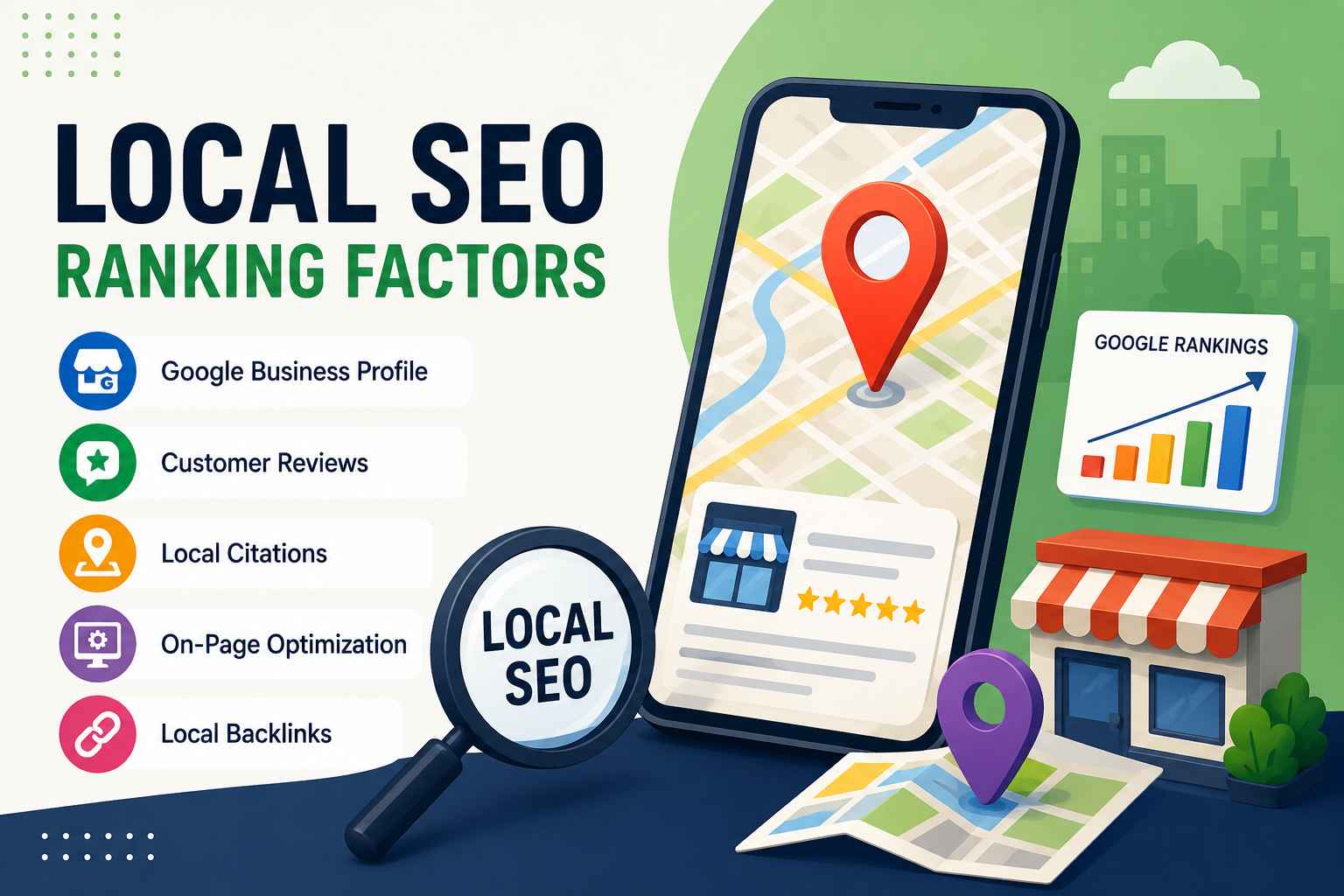
Your Google Business Profile, formerly Google My Business, is the single most important local ranking factor. Claim your listing, then complete every field: business name, address, phone number, website, hours, categories, services, and a keyword-rich description. Add real photos, choose the most accurate primary category, and keep your details current. A complete, active profile is far more likely to appear in the local map pack, the block of three businesses shown at the top of local results.
Step 2: Keep Your NAP Consistent Everywhere
NAP stands for Name, Address, and Phone number. Google cross-checks these details across the web to decide whether to trust your business. Make sure they are identical on your website, your Google Business Profile, social pages, and every directory. List your business on trusted local citations and fix any old or incorrect entries. Even small differences, such as “St.” versus “Street,” can confuse search engines and weaken your rankings.
Step 3: Target Local Keywords on Your Website
Add your service plus your location to your important pages, naturally. Use the phrases your customers actually search, like “emergency electrician in Austin” rather than just “electrician.” Place these in your page titles, headings, meta descriptions, and body content. If you serve several areas, create a dedicated, genuinely useful page for each location instead of copying the same text with the city name swapped out.
Step 4: Earn and Respond to Reviews
Reviews are one of the strongest local ranking and trust signals. Ask happy customers to leave a Google review and make it easy by sharing a direct review link. Reply to every review, positive or negative, in a calm and professional tone. A steady flow of genuine reviews, especially ones that mention your service and city, can push you ahead of competitors who ignore this step entirely.
Step 5: Create Helpful Local Content
Publish content that answers the questions your local customers ask. Blog posts, FAQs, and location guides help you rank for more long-tail searches and show Google that you are an active, relevant local business. Good content also gives you something valuable to share on social media and to attract links from other sites.
Step 6: Build Local Links and Citations
Links from local and industry-relevant websites boost your authority. Get listed in local business directories, partner with nearby businesses, sponsor a community event, or contribute a guest article to a relevant blog. A few quality, relevant links almost always outperform dozens of low-quality ones, so focus on relevance over volume.
Step 7: Track, Audit, and Improve
Local SEO is not set-and-forget. Monitor your rankings, calls, and direction requests, and review which pages bring in traffic. Run a quick technical and on-page check regularly with a free SEO audit tool to catch issues like missing titles, slow pages, or broken links before they cost you visibility. Then fix what is weak and double down on what is already working.
Common Local SEO Mistakes to Avoid
· Inconsistent name, address, or phone number across the web
· An incomplete or inactive Google Business Profile
· Ignoring reviews or never replying to them
· Thin, duplicate location pages created only for keywords
· Chasing low-quality links instead of relevant ones
Conclusion
Local SEO rewards consistency far more than it rewards budget. Optimize your Google Business Profile, keep your business details consistent, target the right local keywords, collect reviews, and stay active with content and links. If you would rather have an expert handle it, professional local SEO services can speed things up. Do these steps well, give it time, and your small business can steadily climb the local results and win more nearby customers.
